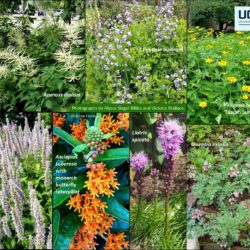
by Nan McCarry Many of us value landscapes that harbor some wildness. We know that leaving some of the wild and even weedy plants has benefits for wildlife and may…
Native Plants
Sowing protocols and decision-making for growing native plants from seed
Written by: Will Larson Growing native plants from seed is a constant exercise in replicating habitat. We expose the seed to specific pre-treatment conditions to simulate the contexts and pressures…
Local Seed Collection
Written by: Molly Marquand Go local: Over the course of the last decade, native plants have garnered a place in the spotlight of popular horticulture. However, most of the…
On Deck: The R & R Conference
Written by: Julie Snell, ELA Board Member The conference formerly known as The Mid-Atlantic ELA Conference is returning live and in person! If there was a silver lining in pandemic…
Planting a Species or a Cultivar— Will It Make a Difference?
Written by: Uli Lorimer, Director of Horticulture, ELA Board Member Gardeners in the Northeast are fortunate to have a wealth of plant choices available in nurseries, garden shops, catalogs, and…
Myawaki Forest in Cambridge, Mas
MYAWAKI FOREST IN CAMBRIDGE, MASS. Written by: Leslie Duthie It is a beautiful 50′ circle of green in the dry park. Despite the severe drought, the trees look good and…
Current Climate
First Step to Maintain Biodiversity? Acknowledge Indigenous Knowledge as Science Written by: ELA Director, Mads McELgunn, MA Since reading Robin Wall Kimmerer’s 2013 book, Braiding Sweetgrass, I’ve been patiently waiting…
Restoring a Pitch Pine-Oak Upland Forest at Norcross Wildlife Sanctuary
Restoring a Pitch Pine-Oak Upland Forest at Norcross Wildlife Sanctuary Written by: Dan Wilder, Director of Wildlife Ecology, Norcross Wildlife Foundation Norcross Wildlife Foundation is located in south-central Massachusetts and…
What’s Missing? Ferns for Your Garden
By Leslie Duthie
Ferns are the ancient plants in our landscapes. Every time we walk into the woodlands or drive along a country road, we see them. They cover old stone walls and flourish in wetlands and meadows. Yet, how often do we think of using them in our gardens?
Sowing Native Seeds
By Heather McCargo
The seeds of wild plants have a different set of needs than those of common garden and vegetable species. However, an understanding of the specific requirements for successful propagation and knowledge of some propagation techniques will help assure success.
There Is Always More
By Cathy Weston
No matter how thorough the weeding job, there are always more — weeds, invasives, or garden thugs. Sometimes it seems like the work is never-ending. “There is always more” could be the sub-title of this gardener’s life and the life of every gardener I know. When I get discouraged, I try to remember that there is always more joy to gardening, too.
Supply and Demand of Native Species
By Marie Chieppo
The demand for native plants by homeowners, designers and people in the green industry is steadily rising. Enhancing our properties’ wildlife support functions doesn’t require an absence of ornamentals and other plantings we enjoy. Some straight species and cultivars with high ecological value can provide a lot. Taking it a step further, Doug Tallamy advocates for the repurposing of “America’s lawnscape” for ecologically productive use.