
By Bella Ciabattoni and Pawel Pieluszynski Mantids – The Voracious Generalist Garden Predator While many insects often go unnoticed, one group never fails to attract attention. Large, charismatic, and bold,…

By Bella Ciabattoni and Pawel Pieluszynski Mantids – The Voracious Generalist Garden Predator While many insects often go unnoticed, one group never fails to attract attention. Large, charismatic, and bold,…
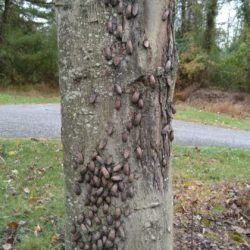
Spotted lanternfly (Lycorma delicatula, “SLF”) is an emerging invasive insect of concern in New England. Spotted lanternfly(SLF) was first detected in Pennsylvania in September 2014. It feeds on a wide range of fruit, ornamental and woody trees, with tree-of-heaven being one of the preferred hosts. It can spread long distances by people moving infested material or items containing egg masses. We must stop this pest could before it seriously impacts the country’s grape, orchard, and logging industries.

West Laurel Hill Cemetery, a level-II accredited arboretum located in Bala Cynwyd, Pennsylvania, features a unique space called “Nature’s Sanctuary.” This one-acre space, which previously served as the cemetery’s dumpsite, now uses a managed successional plan that will gradually transition from a sunny meadow to a meadow/woodland combination and, finally, a mature forest. This article focuses on the range of native plant species grown in this one-acre space and doing so with deer pressure.
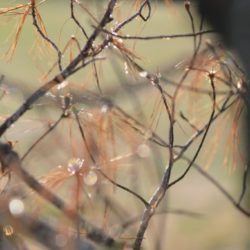
This past September I noticed, far off in the distance, a dying white pine (Pinus strobus) located on the edge of our driving range at The Country Club. After much research, I concluded that this white pine was infected by the pitch canker pathogenic fungus, Fusarium circinatum. Golf balls repeatedly hit into the pine had caused wounds to needles, branches, and bark creating ports of entry for pathogenic spores of pitch canker. Learn how pitch canker spreads and signs to look for on your property.

Winter is here and we have all moved our plants indoors. Everything is fine—for a few weeks. Then you notice a few leaves falling off your plants. You don’t think anything of it at first, but then your vibrant plants start to go downhill fast. After a careful inspection, you discover your plants are infested with insects. Learn the most common house plant pests and how to manage them.
by Kellyann Baxendell & Laura Harrington
The Asian Tiger Mosquito (ATM) was first introduced to this country in the mid-1980s and has become invasive across a wide swath of the eastern US, with a continually expanding range. ATMs are particularly aggressive mosquitoes that feed during the day which makes them a nuance to gardeners and landscapers. Not only are their bites painful but like other mosquitoes, they carry a variety of blood-borne diseases. Learn how scientists are tracking ATM and how we can all be citizen scientists in the efforts to help stop the spread of disease.